Awards-season buzz rarely begins when the nominations arrive. By then, the story has already been introduced, reviewed, photographed, debated, and repeated. Film festival marketing helps create that first wave. At the Toronto International Film Festival, a premiere is not simply a screening. It is a concentrated moment where audiences, critics, distributors, talent, photographers, creators, and future awards narratives meet in one place.
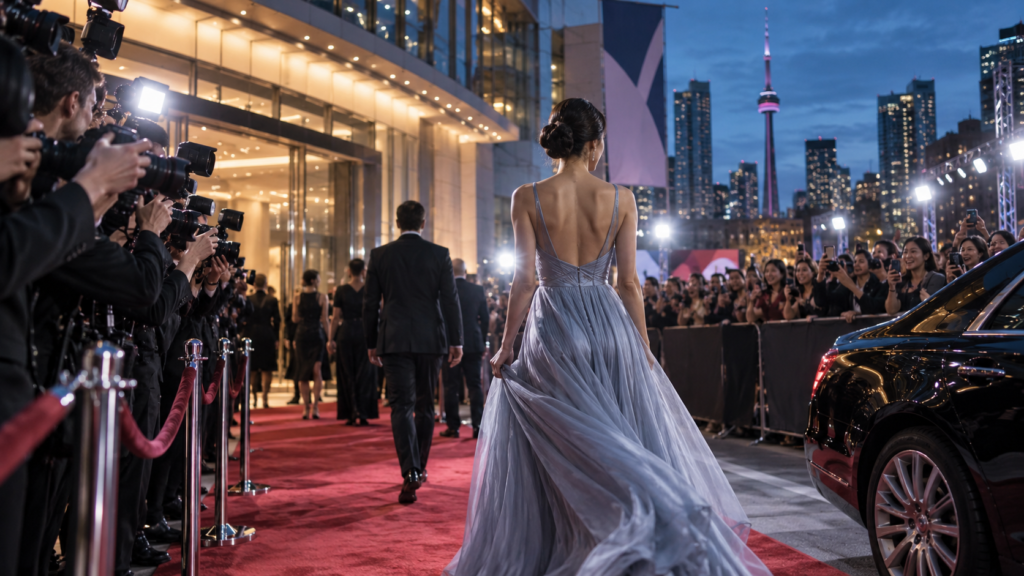
A Premiere Turns a Film Into an Event
A trailer can introduce a film. A festival premiere gives it social proof.
The red carpet supplies recognizable faces and visual assets. The screening supplies live audience emotion. The Q&A supplies quotes and context. Reviews give the film language that future marketing can repeat.
TIFF’s official site lists the 2026 festival in September, placing it at exactly the point when many studios want to begin building autumn attention. Follow the current programme and event details through TIFF.
The Audience Becomes Part of the Story
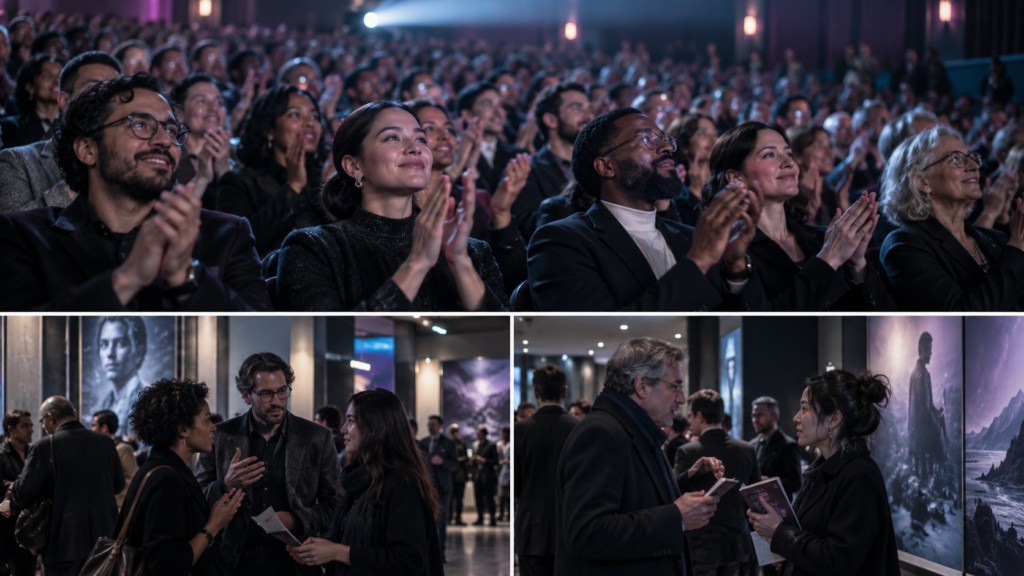
Festival audiences do more than watch. They react publicly. Applause, queues, conversations, and early recommendations become signals that the film matters.
That reaction is especially valuable because it appears to come from several directions at once. The studio may have planned the premiere, but the emotional response belongs to the people in the room.
This does not make the marketing accidental. It makes participation part of the strategy.
Every Person Gets a Different Content Angle
One premiere produces many versions of the same event. Entertainment media covers the stars. Critics discuss the work. Fashion accounts analyse the red carpet. Fans share phone footage. Industry publications discuss distribution and awards potential.
The film gains cultural reach because each group tells the story through its own interest.
This is why event marketing should not rely on one official recap. Give different audiences material they can use: strong images, useful context, memorable quotes, behind-the-scenes access, and a reason to respond.
The strategy resembles award-show marketing built around live conversation. The event creates urgency; the surrounding content extends its life.
Buzz Needs Somewhere to Go
Attention fades when there is no next step. Strong film festival marketing connects the premiere to a wider campaign: a release date, trailer, interview series, email sign-up, ticket page, or later awards push.
The audience should know what to do after becoming interested. Otherwise the campaign creates noise without movement.
Brands outside entertainment can use the same structure. Launch with a concentrated moment, invite credible participation, collect several content angles, and direct the attention toward a clear next action.
Talent Access Expands the Campaign
Festivals place directors, actors, writers, and craftspeople inside the same media environment. That creates many ways to explain a film. A director can discuss the central idea. An actor can make the story personal. A costume designer can reach fashion audiences. A composer can reveal how the emotional world was built.
This variety matters because not every potential viewer enters through the trailer. Some discover a film through an interview, a red-carpet look, a thoughtful quote, or a creator’s reaction to the screening.
For brands, the equivalent is allowing several people to tell the launch story. The founder, customer, designer, partner, and community member do not need identical scripts. They need a shared central message and an angle that fits their role.
Scarcity Makes the Conversation Feel Urgent
A festival screening happens at a specific time, in a specific place, for a limited audience. That scarcity gives the event weight. People pay attention because they cannot assume the same moment will be available next week.
Digital content then lets the wider audience experience part of that exclusivity. Clips, photographs, reviews, and interviews travel beyond the venue while still carrying the feeling that something is happening now.
Small brands can create the same kind of urgency honestly through limited workshops, previews, early-access lists, live launches, and short participation windows. The deadline must be real. Manufactured urgency becomes easy to recognize when the “last chance” returns every weekend.
The Festival Is the Beginning Not the Proof of Success
Strong applause can create a headline, but it does not guarantee lasting interest. The campaign still needs consistent follow-up, clear positioning, and a release experience that fulfils the promise created at the festival.
This is an important marketing lesson: a successful launch moment can open the door, but the product must carry the relationship afterward. Buzz is useful because it concentrates attention. It is not a substitute for value.
Positioning Gives the Buzz a Meaning
Not every positive reaction becomes a useful campaign. The film still needs a clear position: the emotional promise, audience, genre, and reason it deserves attention now. Without that frame, coverage can become a collection of disconnected compliments.
Marketing teams watch for the language that appears naturally in early reviews and audience conversations. If several people respond to the same performance, theme, or emotional quality, that pattern may reveal the most persuasive angle for the wider release. The goal is not to remove nuance from the film. It is to give future audiences a clear door into it.
Small brands can do the same after a preview or launch. Collect the words customers use, note the questions they repeat, and pay attention to what they photograph without being asked. The audience may identify the strongest message more clearly than the original campaign brief did.
Build a Post-Festival Content Sequence
The days after a premiere should already have a plan. Start with immediate reactions and strong visual moments. Follow with interviews and deeper context. Then connect the attention to release information, reviews, ticket availability, and reminders as the public opening approaches.
Each stage answers a different question. What happened? Why should I care? What makes this film distinctive? When can I see it? A campaign that answers all four can turn temporary festival curiosity into sustained interest.
The sequence also prevents the team from publishing every valuable asset on premiere night. Holding the right interview, craft story, or audience reaction gives the campaign another reason to re-enter the conversation later.
Measure More Than the Loudest Moment
The red carpet may earn the biggest reach, but other content can drive deeper action. Track video completion, press referrals, search interest, ticket-page visits, email sign-ups, and conversions across the campaign.
Use the Marketing Metrics Calculator to compare costs and outcomes rather than treating every impression as equal.
Momentum Is Designed
Film festival marketing works because it compresses access, emotion, credibility, and content into one culturally relevant moment. Then it distributes that moment through many voices.
The lesson is not to manufacture fake excitement. It is to create the conditions where genuine reactions can travel. The Pop Culture Brand Strategy Playbook can help translate that principle into a practical content plan for a smaller brand.