Creating a Buzzworthy Campaign: Lessons from Major Award Shows
Every year, without fail, award shows break the internet. And not always for the reasons the organizers planned.
Somebody wears something unforgettable. Somebody says something they weren’t supposed to. Two artists who weren’t supposed to be in the same room end up on stage together. And within minutes, social media is on fire — millions of people who weren’t even watching the show are now obsessively consuming clips, hot takes, and recaps.
The Oscars, the Grammys, the Met Gala — these aren’t just events. They’re cultural moments with a predictable structure and an unpredictable outcome. And from a marketing perspective, that combination is absolute gold.
Because brands that understand how to work around these moments don’t just get exposure — they get relevance.
The Pre-Show Hype Machine
Here’s something award shows do brilliantly that most brands never think to copy: they build anticipation long before the main event.
The nominations drop weeks ahead. The predictions coverage starts immediately. Who’s going to win? Who’s going to wear what? Who might show up together? The show hasn’t even happened yet and it’s already generating content, debate, and engagement.
That pre-event window is incredibly valuable — and almost entirely unused by brands. Think about it. If a major cultural moment is two weeks away and your brand has a natural connection to it, why are you waiting until the night of to say anything?
Start the conversation early. Make predictions. Create content around what might happen. By the time the event arrives, your brand is already part of the conversation surrounding it — not scrambling to insert itself last minute.
✦ Marketing Tip: Build a pre-event content strategy for any major cultural moment your brand is adjacent to. Early participation signals relevance; late participation looks desperate.
Use the Social Media Campaign Budget Calculator to plan how much you will spend before, during and after the event.
Real-Time Marketing — The Brand Olympics
Remember Oreo’s “You can still dunk in the dark” tweet during the Super Bowl blackout? Of course you do. Everyone does. And Oreo didn’t spend a single extra dollar on media to make it happen.
Award shows create the same kind of real-time opportunity, on repeat, every year. The unexpected speech. The surprise win. The fashion disaster. The speech no one saw coming.
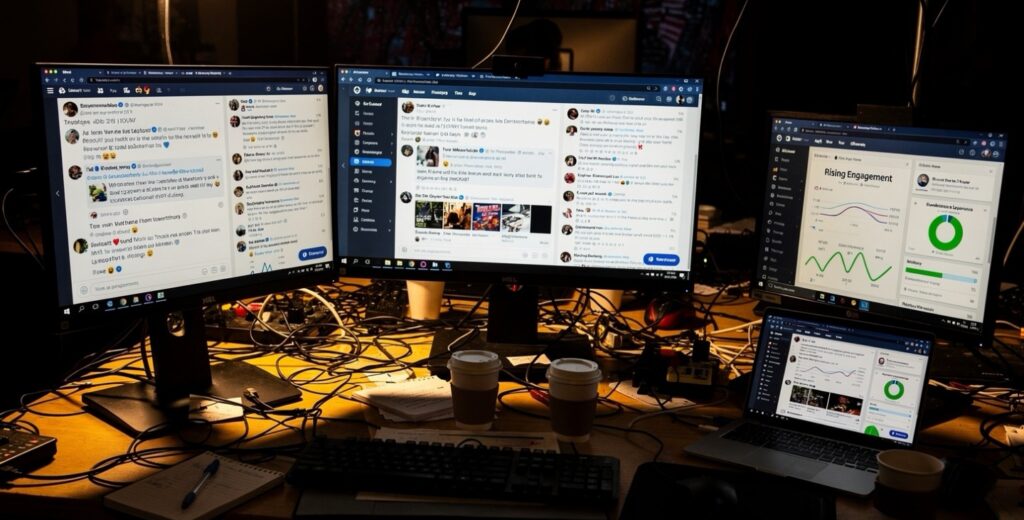
Brands with fast, witty, culturally aware social teams can ride those moments into viral territory — if they’ve done the preparation to move quickly. The operative word is preparation. Real-time marketing only looks spontaneous. Behind it is a team with pre-approved content formats, creative that can be adapted in minutes, and decision-makers who are actually empowered to post without a five-day approval chain.
When every minute matters, use the Social Media Character Counter to check platform limits before publishing your live reactions.
Most brands miss viral moments not because they lack creativity, but because they lack speed. The window is small.
The Underdog Strategy — You Don’t Need to Be a Sponsor
Here’s a misconception worth killing: you don’t need an official partnership with an award show to benefit from the cultural moment it creates.
Some of the smartest brand plays during major award shows come from brands that have nothing to do with the event. A fashion brand commenting on the red carpet. A food brand making a well-timed joke about a category. A streaming service creating content around the buzz.
The internet doesn’t care whether you’re an official partner. It cares whether your content is funny, insightful, timely, or genuinely interesting. And if it is? You’ll earn the same visibility as brands that paid millions for sponsorship — for the cost of good creative and a well-timed post.
✦ Marketing Tip: You don’t have to sponsor the moment to participate in it. Cultural commentary is free. Just make sure it’s smart, genuine, and actually connected to something your brand stands for.
Lesson: Controversy Is Attention — But Not All Attention Is Equal
Let’s address the elephant in the room: award show controversies.
Every few years, something genuinely shocking happens — and every brand has a choice in that moment. Jump in and risk looking opportunistic. Stay silent and look disengaged. Or find the careful middle path: say something real, something that reflects what the brand actually stands for, without turning someone else’s moment into your content.
The brands that have gotten this wrong share a common thread: they made the controversy about them. They inserted their messaging where it didn’t belong. They chased the engagement without thinking about whether that engagement aligned with their brand identity.
The brands that got it right were the ones that responded with wit, humanity, and genuine brand relevance — rather than trying to piggyback on something that had nothing to do with them.
Attention without meaning is just noise.
The Post-Show Window (That Everyone Ignores)
Everyone focuses on the night of. Very few brands think about the week after.
Award show discourse doesn’t die the next morning. It lives on in recaps, think-pieces, YouTube video essays, TikTok analysis, and ongoing cultural conversation for days — sometimes weeks. And that extended shelf life is an opportunity that most marketing calendars completely ignore.
The Academy itself has used creators and social-media personalities to make awards coverage feel more accessible to online audiences.
The show ends. The conversation doesn’t.
Brands that create post-event content — reactions, reflections, “what this means” angles — extend their presence in the conversation long after everyone else has moved on.
Final Thoughts
Award shows are a masterclass in event-driven marketing — concentrated cultural energy, a built-in audience, and an endless supply of moments that people want to talk about.
The brands that win around these events aren’t the ones with the biggest budgets. They’re the ones that prepared, moved fast, said something worth hearing, and understood that the whole point isn’t to advertise around the moment.
It’s to become part of it.
Curious how to turn moments like this into content for your brand? I put together a playbook as well as a branding guide, that helps solo creators and small brands turn cultural trends into smart, relevant content — without losing their voice or chasing every trend.
Instant Access: The Pop Culture → Brand Strategy Playbook