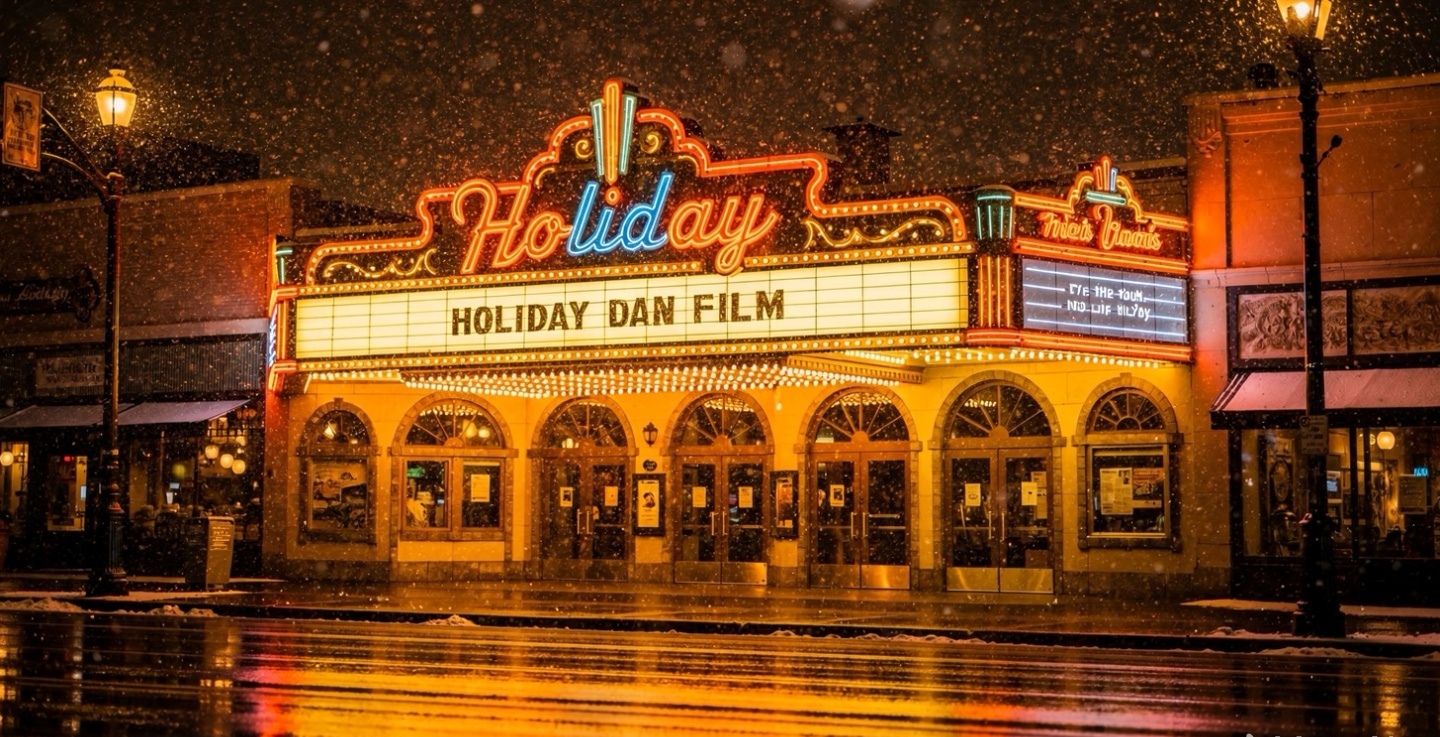
The Marketing Magic Behind Holiday Movie Releases
It happens every single year. The weather gets colder. The playlists shift. Starbucks brings back the red cups. And suddenly, a certain kind of movie starts appearing everywhere — trailers on every platform, posters on every surface, tie-ins in every fast food chain.
Holiday movie season is not a coincidence. It is one of the most sophisticated, multi-layered marketing operations in the entertainment industry. And the studios behind it have spent decades perfecting the art of turning a film into a cultural event.
So let’s actually unpack what they’re doing — and why it works so well.

They Sell the Feeling Before the Film
Nobody buys a ticket to a holiday movie because they want to see a plot.
They buy a ticket because they want to feel something. Nostalgia. Warmth. The comfort of familiar things in familiar weather. The sense that the world, for two hours, is a slightly better place than it actually is.
Holiday movie marketing understands this completely. The trailers are full of golden light, familiar music, snow-dusted streets, and emotional beats designed to activate exactly that feeling. You’re not being sold a story. You’re being sold a season.
And that’s why it works. The movie arrives pre-loaded with emotional context — not because of the film itself, but because of everything the holiday period represents to the audience before they even buy a ticket.
✦ Marketing Tip: People don’t buy products. They buy feelings attached to products. Define what feeling your brand delivers before you define what your product does.
Strategic Release Windows — Timing Is the Whole Game
Here’s something most people don’t think about: a holiday movie released one week too early is a completely different product from the same movie released at the peak of the season.
Studios obsess over release dates because they know that timing isn’t just logistics — it’s positioning. They want their film to hit when the cultural mood is exactly right. When people are already thinking about family, nostalgia, tradition. When the emotional infrastructure is already in place.
They also think about competition. Releasing in a crowded weekend means splitting a finite audience. Owning a “clean” window means dominating the cultural conversation without interference.
The same logic applies to any product launch. Not just “when can we release this” — but “when is the audience most ready to receive it, emotionally and culturally?”
The Franchise Effect — Why Sequels Dominate the Season
Look at the holiday box office for any given year and you’ll notice something obvious: it’s sequels and franchises all the way down.
This is not accidental. Holiday moviegoing is often a family or group activity — and groups need consensus. A familiar franchise is an easy yes. Everyone knows what they’re getting. There’s no risk of someone hating it. It’s comfort food in movie form.
Studios know this and they time their franchise installments intentionally. The third act of a beloved series. The holiday spinoff of an established world. The sequel that lands exactly when audiences feel most receptive to sentiment and spectacle.
The brand lesson here is about the power of built equity. A franchise doesn’t have to re-earn trust every time — it shows up to an audience that’s already emotionally invested. That’s what consistent brand-building over time creates: an audience that’s ready to say yes before you even ask.
Cross-Promotional Ecosystems
The Grinch has a McDonald’s Happy Meal. Elf has a coffee partnership. A Christmas Story has an entire leg lamp cottage industry.
Holiday movie marketing doesn’t stay in movie theaters. It colonizes everything — retail, food, fashion, home goods, social media filters. The film becomes a world that exists across every touchpoint of the holiday season.
Managing a campaign across this many channels requires careful planning. Use the Social Media Campaign Budget Calculator to divide spending between content, advertising, influencers and other campaign costs.
And every one of those partnerships does double duty. The brand partner gets cultural relevance and foot traffic. The studio gets visibility in spaces it couldn’t buy with ad spend alone.
That’s the ecosystem play. Not one campaign, one trailer, one premiere. A web of presence that makes the movie feel inescapable — and, more importantly, feel like part of the season itself.
Brands can use the Marketing Metrics Calculator to compare the cost and performance of each channel
✦ Marketing Tip: Think about your brand’s cross-promotional ecosystem. Which partners, platforms, or cultural moments could extend your presence beyond your own channels?
Nostalgia as a Marketing Superpower
Holiday movies have a cheat code that most industries don’t get to use freely: nostalgia.
Nostalgia is one of the most powerful emotional forces in marketing. It makes people feel safe. It lowers resistance. It connects a product — in this case, a film — to a set of positive memories that already exist in the audience’s brain. The brand didn’t create those memories. The audience did. But the product gets to borrow them.
Studios actively engineer this. Classic holiday films get re-released, remastered, or reimagined specifically to activate that sense of nostalgic connection. Home Alone doesn’t need a new marketing budget because everyone already carries it in their emotional catalog. Nostalgia is also one reason limited-edition collaborations generate so much hype.
The lesson for brands is this: if you’ve built something that people have genuine emotional history with, don’t reinvent it for the sake of reinvention. Lean into what people already love about you. That connection is harder to earn than it looks.

Final Thoughts
Holiday movie marketing is a case study in emotional engineering at scale. It understands its audience’s psychology better than almost any other corner of the entertainment industry. It shows up at exactly the right moment, in exactly the right places, wearing exactly the right emotional costume.
The tactics are learnable. Timing your launch for when your audience is emotionally ready. Selling the feeling before the product. Building a presence that extends beyond your own channel. Using nostalgia and consistency to show up to an audience that already trusts you.
But the real magic? It’s simpler than all of that.
Make people feel something — and they’ll show up for you, season after season.
Curious how to turn moments like this into content for your brand? I put together a playbook that helps solo creators and small brands turn cultural trends into smart, relevant content — without losing their voice or chasing every trend.
Instant Access: The Pop Culture → Brand Strategy Playbook