Brands don’t just sell products anymore. They sell meaning. They sell identity. They sell a feeling that says: this is who I am — or at least who I want to be.
And that feeling doesn’t come from a product description or a “Buy Now” button.
It comes from culture.
Pop culture shapes what people talk about, what they share, what they laugh at, what they reference without even realizing it. It’s basically the world’s biggest inside joke — and brands that understand that don’t just market to people. They connect with them.
Because when a brand aligns with culture, it stops being “a brand” and becomes part of the moment.
Pop Culture Is the Shortcut to Relevance
You’ve seen it happen.
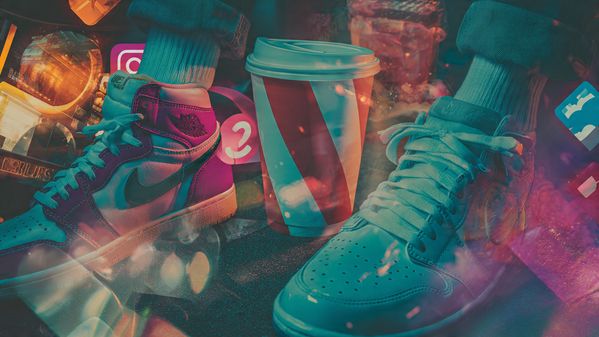
A sneaker drop becomes an event.
A fast food meal becomes a fandom moment.
A simple slogan becomes something people wear like a badge.
Culture gives brands instant relevance — the kind money can’t buy. And the best part? It makes marketing feel less like advertising and more like participation.
Instead of asking for attention, the brand earns it by being part of something people already care about.
Nike Didn’t Just Sell Shoes — It Sold a Mindset
Nike is one of the best examples of culture-based branding because they didn’t build their identity around sneakers.
They built it around a world: sports culture.
“Just Do It” doesn’t just talk to athletes. It talks to anyone who has ever wanted to push through fear, doubt, or laziness. It became a cultural statement — the kind that motivates people even outside the gym.
Nike didn’t sell performance gear.
It sold aspiration.
And aspiration is culture.

McDonald’s Didn’t Just Collaborate — It Became Part of Music Culture
McDonald’s collaborations with celebrities and musicians aren’t random marketing tricks. They’re a strategy.
When the brand connects itself to a cultural figure people love, it borrows meaning from that person’s identity.
It’s not just “a burger.”
It’s “the meal tied to a moment.”
That’s why music collaborations work so well: music is emotional, nostalgic, and personal. It’s culture in its purest form. And when brands attach themselves to that, they gain instant emotional relevance.

The Secret: People Don’t Want Products. They Want Symbols
Pop culture branding works because people don’t only consume things — they consume what those things represent.
A product becomes:
- A personality marker
- A lifestyle
- A community
- An aesthetic
- A reference point
It’s why someone buys merch from a concert even when they already have a hoodie at home. They’re not buying fabric. They’re buying the feeling of belonging to that era, that fandom, that identity.
And brands want the same thing:
They want their products to feel like a cultural symbol.
Cultural Moments Make Brands Feel Human
There’s also a simple reason pop culture branding is powerful:
It makes brands feel like people.
When a brand reacts to a viral moment, references a meme, or joins a shared cultural conversation, it signals that it’s not some distant corporation — it’s in the room with you.
That’s why people love brands that “get it.”
Not because they’re funny.
But because they feel relatable.
Culture Moves Fast… and Brands Have to Keep Up
Pop culture changes quickly. What’s trending today could be irrelevant next week.
So brands are adapting by becoming more flexible, more responsive, and more creator-driven. They have to learn how to:
- listen first
- move quickly
- speak naturally
- avoid sounding like a brand trying too hard
Because the moment a brand tries to force itself into pop culture, people can sense it immediately — and the internet is not forgiving.
The Real Lesson for Brands
If you want a brand to stick in people’s minds, you don’t just need a good product.
You need a good cultural position.
You need to know:
- what your audience cares about
- what makes them feel seen
- what they reference daily
- what moments they’re living through
Because culture is where meaning is built.
And brands that understand culture don’t just create customers.
They create communities.
Final Thoughts
Pop culture isn’t “extra.” It isn’t a marketing trend. It’s not optional.
It’s the environment your audience lives in every day.
Brands that align with culture become memorable because they stop being something you buy and start being something you feel connected to.
So the real question isn’t “Should brands use pop culture?”
It’s:
How can your brand become part of the culture instead of chasing it?
📚 Further Reading
If you enjoyed this breakdown, these books explore similar ideas:
• This Is Marketing by Seth Godin
•Made to Stick by Heath Brothers
(Disclosure: This post may contain affiliate links.)