Why Gen Z Loves Brands That Use TikTok Creators
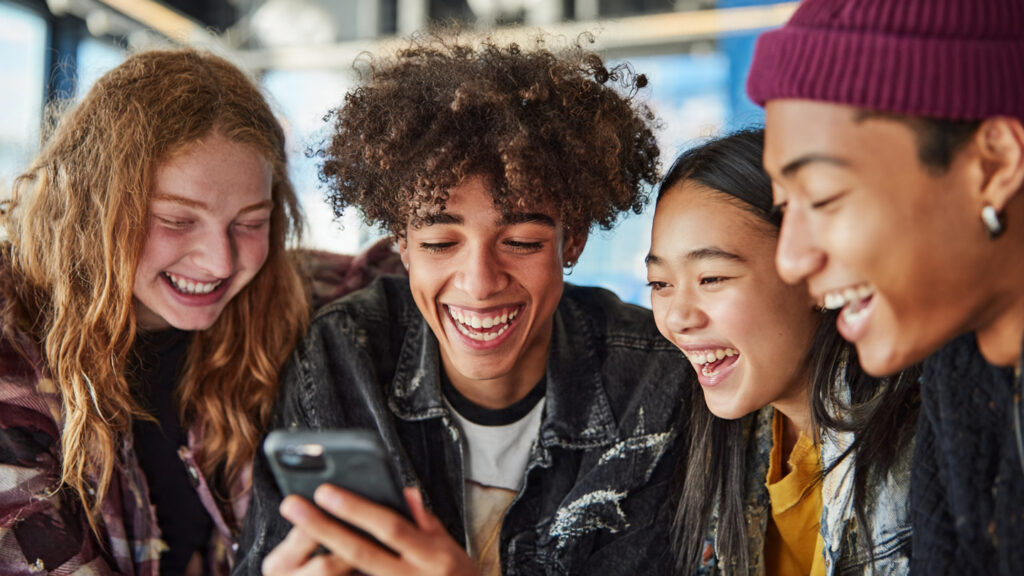
Gen Z does not trust your brand. Let’s just start there.
They’ve grown up drowning in ads. They’ve seen every trick — the celebrity endorsement, the glossy lifestyle campaign, the motivational slogan plastered over a stock image. And they’ve learned to filter all of it out. Their brains are basically equipped with a built-in ad blocker.
But here’s what’s interesting: they do trust creators. Deeply. Sometimes more than they trust their own friends’ recommendations.
And if you’re a brand trying to reach Gen Z, that gap — between distrust for brands and deep trust for creators — is your entire opportunity.
Because Creators Feel Like People, Not Billboards
Think about why you follow your favorite TikTok creators. They showed up consistently. They were funny, or honest, or taught you something. They shared their bad days along with their good ones. They felt real.
That’s the relationship Gen Z has with creators. It’s parasocial, sure — but it’s also built on a genuine sense of familiarity and trust. When a creator recommends something, it doesn’t feel like an ad. It feels like advice from someone who actually gets them.
And that is something no amount of media spend can manufacture.
The “Deinfluencing” Era — and Why Authenticity Won
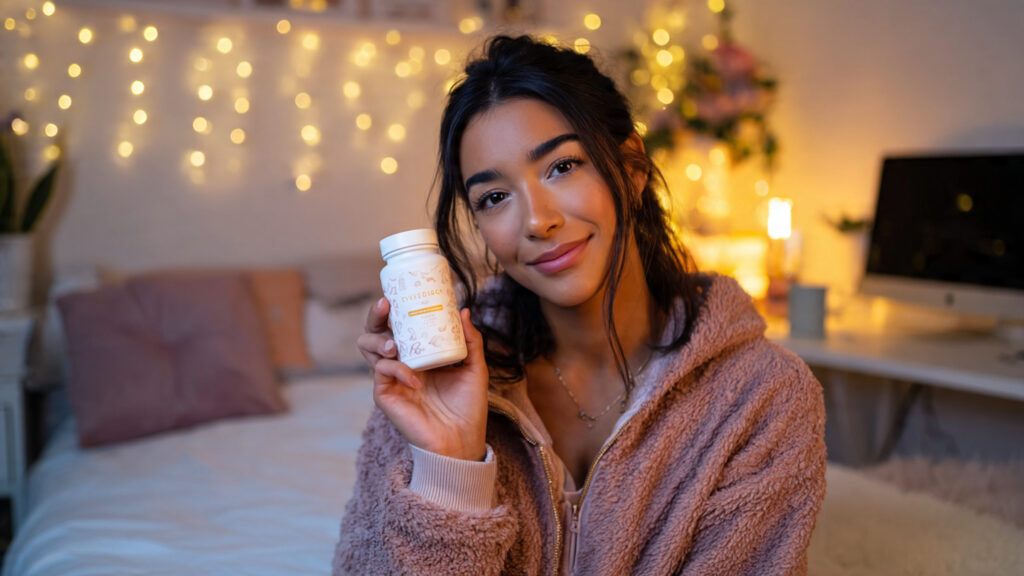
Here’s a wild twist: TikTok also gave birth to the “deinfluencing” trend, where creators started telling their audiences what not to buy. Viral videos exposing overhyped products. Honest reviews that contradicted brand messaging. “Anti-haul” content that pushed back against overconsumption.
And Gen Z ate it up.
Why? Because it confirmed what they already believed: authenticity matters more than aesthetics. This generation doesn’t want a perfect, aspirational pitch. They want someone to look them in the eye — digitally — and tell them the truth.
The brands that learned from this partnered with creators who had already earned that trust, gave them freedom to be honest, and let the content breathe. The ones that ignored it handed creators a script and watched their audience get clowned in the comments.
✦ Marketing Tip: Give creators creative freedom. A stiff script will kill the authenticity faster than anything. Brief them on the goal, then get out of the way.
It’s Not About Reach. It’s About Resonance.
Here’s a mistake brands still make: chasing the biggest creator on the platform. Biggest follower count. Most views. Most name recognition.
But Gen Z doesn’t respond to scale — they respond to connection. A micro-creator with 40,000 followers in a specific niche often drives way more action than a mega-influencer with 5 million followers and a general audience.
Why? Because niche creators feel like insiders. Their audience isn’t passive — it’s devoted. And a recommendation from someone whose whole identity is built around skincare, or book reviewing, or sustainable fashion carries enormous weight with exactly the people you want to reach.
Gen Z doesn’t want to be mass-marketed to. They want to feel like they found something. Niche creators give them that feeling.
The Co-Creation Era
The smartest brands aren’t just using creators as a distribution channel anymore. They’re actually building things with them.
E.l.f. Cosmetics co-created a song with a TikTok creator that became a genuine viral moment. Brands are giving creators input on product development, packaging, naming. They’re putting creator faces on actual products.
That’s the next level. Not “we paid someone to talk about us.” But “we made something together.” And for Gen Z, that shift from brand-as-authority to brand-as-collaborator is everything.
It says: we don’t just want your attention. We actually value your voice.
Final Thoughts
Gen Z isn’t anti-brand. They’re anti-fake. They’ll spend their money and their loyalty on brands that feel worth it — brands that show up with substance, partner with people they already respect, and don’t treat them like a demographic to be targeted.
TikTok creators are the bridge. They’ve already done the hard work of building trust with this audience. Brands that collaborate — genuinely, creatively, without trying to control the narrative too tightly — get to borrow that trust.
And in the attention economy? Borrowed trust might just be the most valuable currency there is.
Curious how to turn moments like this into content for your brand? I put together a playbook that helps solo creators and small brands turn cultural trends into smart, relevant content — without losing their voice or chasing every trend.